BrightGrid
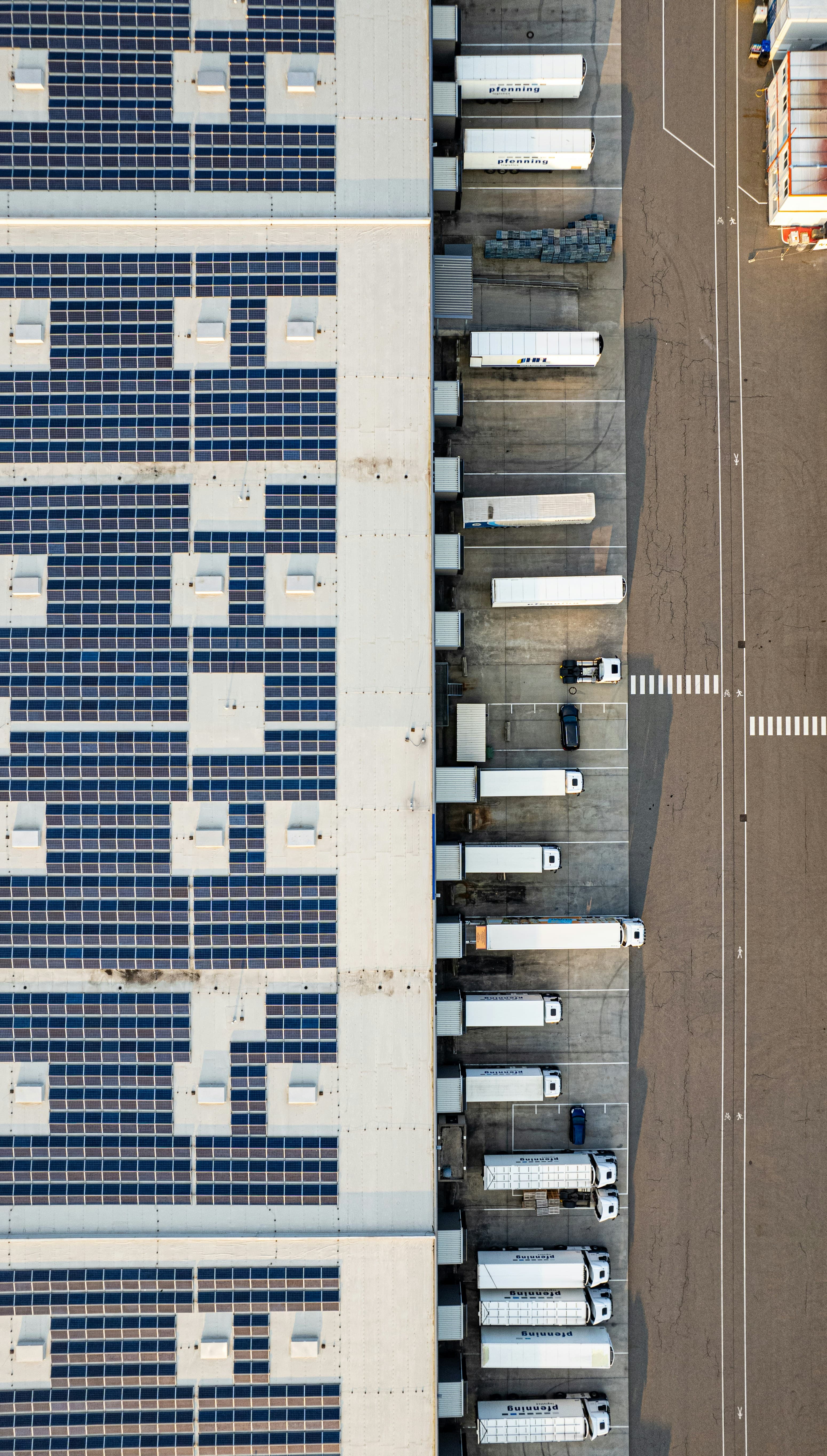
Commercial solar can be particularly attractive for businesses with large daytime electricity demand. Warehouses, offices, workshops, retail premises, farms, factories and other commercial sites can have substantial roof areas and electricity loads that align naturally with solar generation.
How is commercial solar different from residential solar?
The principles are the same, but the scale and electrical complexity are different. Commercial projects often involve larger roofs, three-phase electrical supplies, higher electricity demand, DNO connection considerations and more detailed financial modelling.
| Factor | Residential | Commercial |
|---|---|---|
| Typical electricity demand | Lower | Potentially much higher |
| Electrical supply | Often single phase | Three phase is common |
| Roof area | Usually limited | Often substantially larger |
| System size | Typically domestic scale | Can range from tens to hundreds of kWp or more |
| DNO considerations | Depends on system | Often more significant at larger sizes |
Where does commercial solar create value?
The primary opportunity is usually reducing electricity purchased from the grid. Businesses that consume electricity during daylight hours can use solar generation directly, reducing their exposure to electricity prices.
Why daytime electricity demand matters
- Refrigeration
- Lighting
- HVAC
- Machinery
- Pumps
- Computer equipment
- Production lines
- Warehouse operations
- Electric vehicle charging
How should a commercial solar system be sized?
Roof size alone should not determine the system. A proper assessment combines half-hourly or interval electricity consumption data with roof area, solar resource, operational schedules, electrical infrastructure and the business's future plans.
Is battery storage worth adding to commercial solar?
A commercial battery can store electricity for later use, reduce exposure to high electricity prices during certain periods and potentially help manage demand. The business case depends on load profile, tariff structure, battery cost and operating strategy.
What happens to excess commercial solar?
Surplus electricity can potentially be exported to the grid subject to the site's connection and commercial arrangements. However, exporting electricity is not always as valuable as using it directly, so system sizing should consider the value of on-site consumption.
Why the DNO connection can matter
Larger solar installations can require a formal grid connection assessment. The Distribution Network Operator may impose technical requirements or network constraints before additional generation can be connected.
Start the grid-connection process early
For larger commercial projects, the DNO process can influence project timescales and system design. It should be considered before finalising the business case.
How do you calculate commercial solar ROI?
A commercial solar model should consider installation cost, annual generation, electricity consumption, import prices, export income, maintenance, equipment warranties and the business's expected operating period.
What does a commercial solar installation involve?
- Initial business and energy assessment
- Electricity consumption analysis
- Roof and structural assessment
- Solar design
- Electrical design
- DNO assessment where required
- Financial modelling
- Installation planning
- Solar installation and commissioning
- Monitoring and handover
Commercial solar for farms
Agricultural businesses can have particularly interesting solar opportunities because barns and agricultural buildings can provide large roof areas while refrigeration, pumps, milking equipment and other loads can create substantial electricity demand.
Plan for future electricity demand
Businesses should consider future EV charging, refrigeration expansion, machinery electrification, heat pumps and other changes before finalising the solar system. A slightly different design today can sometimes avoid unnecessary electrical work later.
Explore commercial solar for your business
We can assess your electricity consumption, roof space and future energy requirements and build a commercial solar proposal around your business.
Request a Commercial AssessmentFrequently asked questions
Is commercial solar worth it for UK businesses?
It can be particularly attractive for businesses with substantial daytime electricity demand because solar generation can directly offset electricity purchased from the grid. The financial case should be modelled using the site's actual consumption.
How much does commercial solar cost in the UK?
Commercial solar costs vary substantially depending on system size, roof type, electrical infrastructure, access, equipment and grid-connection requirements. A site-specific survey is needed for a meaningful price.
How long does commercial solar take to pay back?
Payback depends on installation cost, annual generation, electricity prices, self-consumption, export arrangements and operating conditions. Businesses with strong daytime electricity demand can have particularly attractive economics.
Can farms install commercial solar panels?
Yes. Agricultural buildings can be suitable for rooftop solar, although roof condition, structural capacity, electrical infrastructure, planning requirements and grid connection should all be assessed.
Does commercial solar need planning permission?
Requirements depend on the building, installation design, location and scale. A project assessment should establish whether permitted development rights apply or whether planning consent is required.
Marcus Webb
Head of Engineering at BrightGrid Energy