BrightGrid
A properly designed heat pump installation starts with the building rather than simply choosing a heat pump model. Heat loss, radiators, insulation, hot water requirements and controls all affect system performance.
1. Heat-loss assessment
The installer should estimate the heat required by the property so the heat pump can be sized appropriately.
2. Heating system assessment
Existing radiators and pipework should be reviewed to determine whether they can provide the required heat at suitable flow temperatures.
3. Outdoor unit location
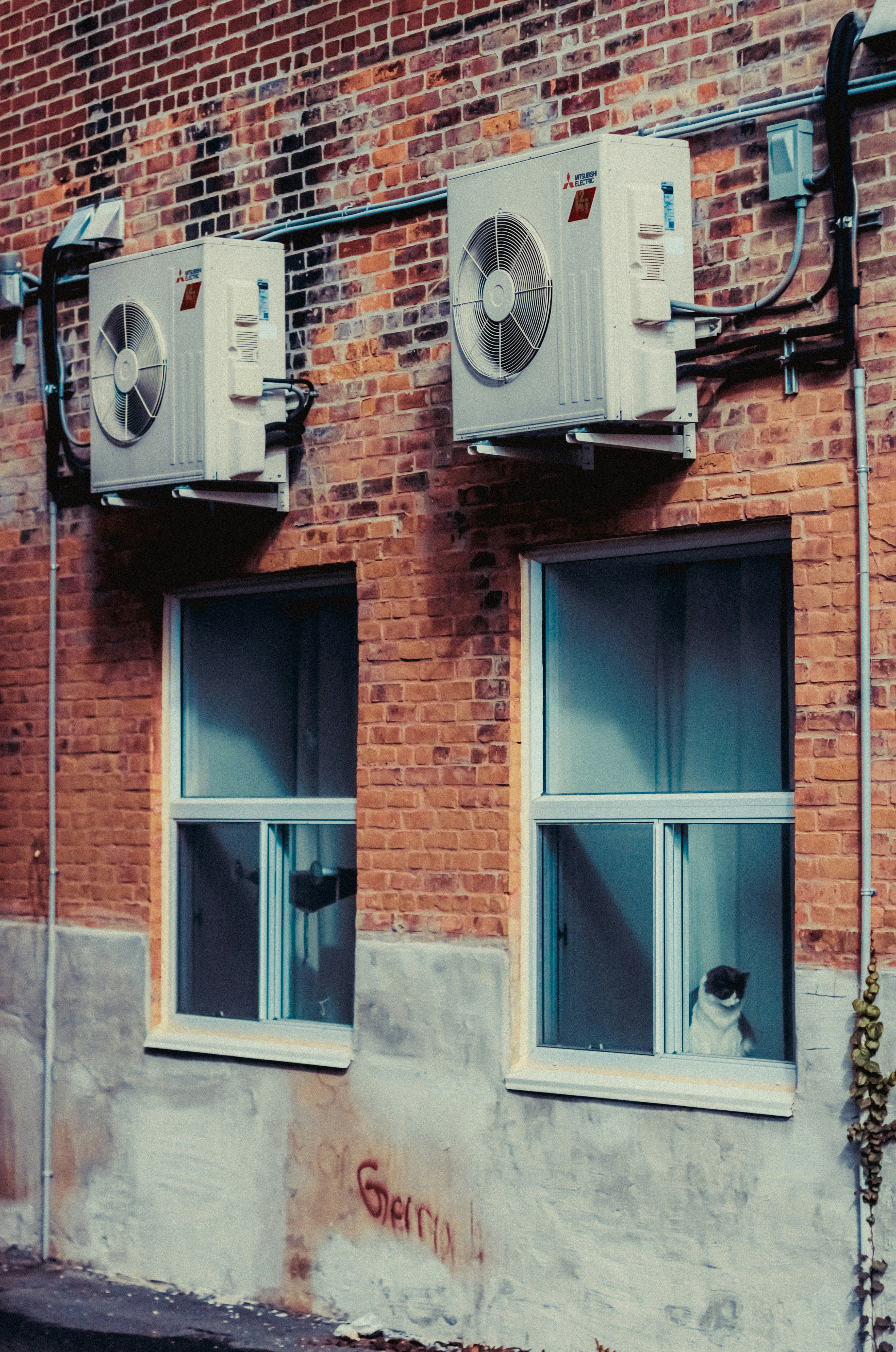
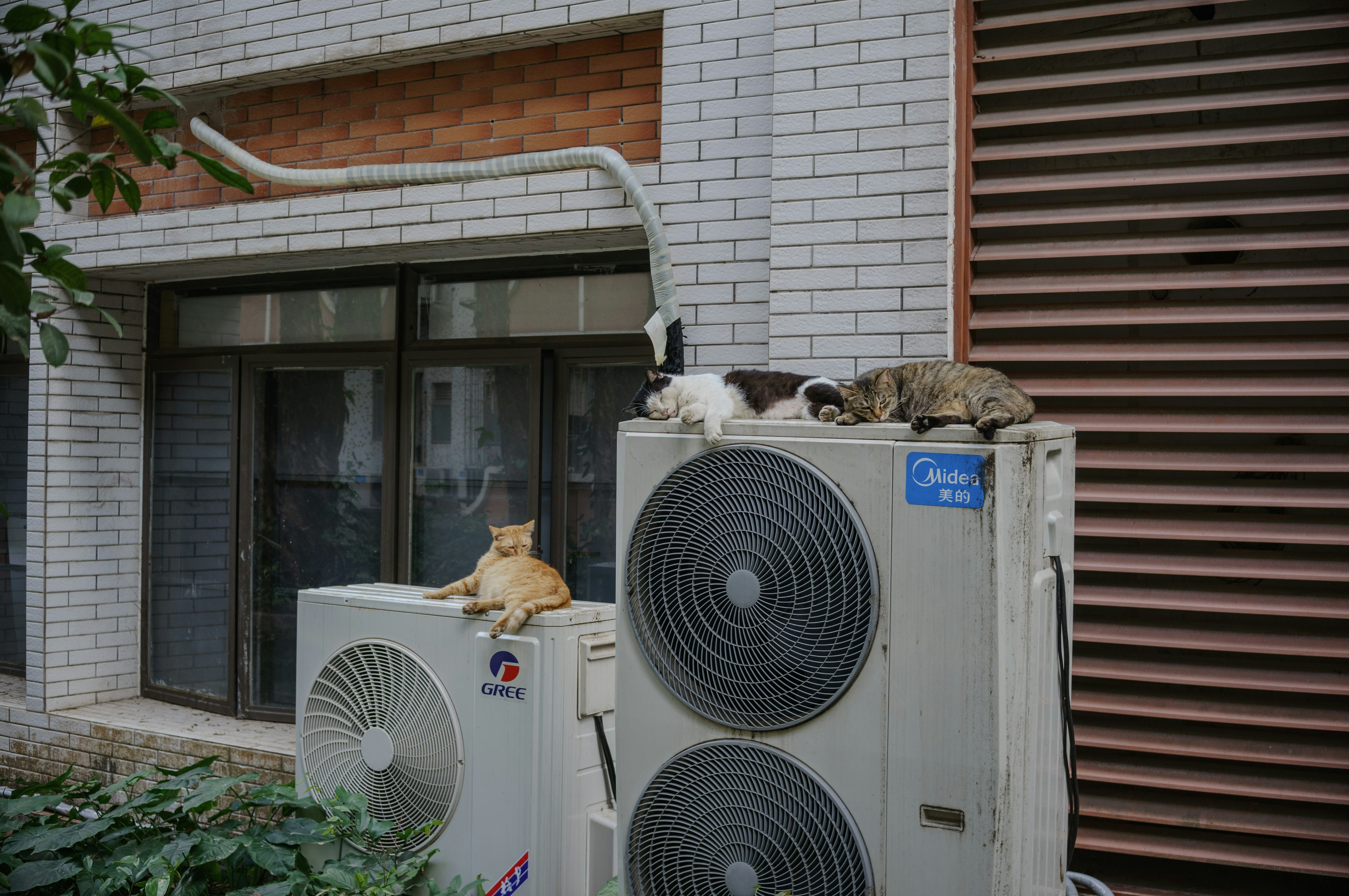
The outdoor unit needs suitable airflow, access and a location that considers noise, maintenance and property layout.
4. Hot water system
Many heat pump installations include a hot water cylinder because heat pumps generally operate differently from conventional boilers.
5. Commissioning
Controls, flow temperatures and system operation need to be configured and tested so the heat pump operates correctly.
Good design matters more than simply choosing a powerful unit
Correct sizing, heat-loss calculations, controls and system design can have a major influence on efficiency and comfort.
Plan a heat pump installation
Assess your home heating system, insulation, heat demand and future solar integration.
Explore Heat PumpsFrequently asked questions
How long does heat pump installation take?
The timeline varies according to the property, heating system, cylinder requirements, electrical work and installation complexity.
Do radiators need replacing for a heat pump?
Not always. The existing radiators should be assessed against the required heat output at the proposed operating temperatures.
Does a heat pump need a hot water cylinder?
Many air-source heat pump systems use a hot water cylinder, although system designs vary.
Should solar be considered with a heat pump?
Yes. Solar can offset some of the electricity demand created by a heat pump and should be considered as part of a whole-home energy design.
Fiona Wallace
Heat Pump Design Engineer at BrightGrid Energy