BrightGrid
The physical installation of a residential solar system can often be completed quickly, but the complete project timeline includes design, approvals, equipment procurement and commissioning.
| Stage | Typical activity |
|---|---|
| Consultation | Energy and property assessment |
| Survey | Roof and electrical assessment |
| Design | Panel, inverter and battery design |
| Approvals | Planning and DNO requirements where applicable |
| Installation | Panels and electrical equipment fitted |
| Commissioning | Testing and monitoring setup |
What can delay a solar installation?
- Complex roof access
- Structural concerns
- Equipment availability
- Electrical upgrades
- DNO requirements
- Planning requirements
- Weather
- Additional battery or EV work
What happens on installation day?
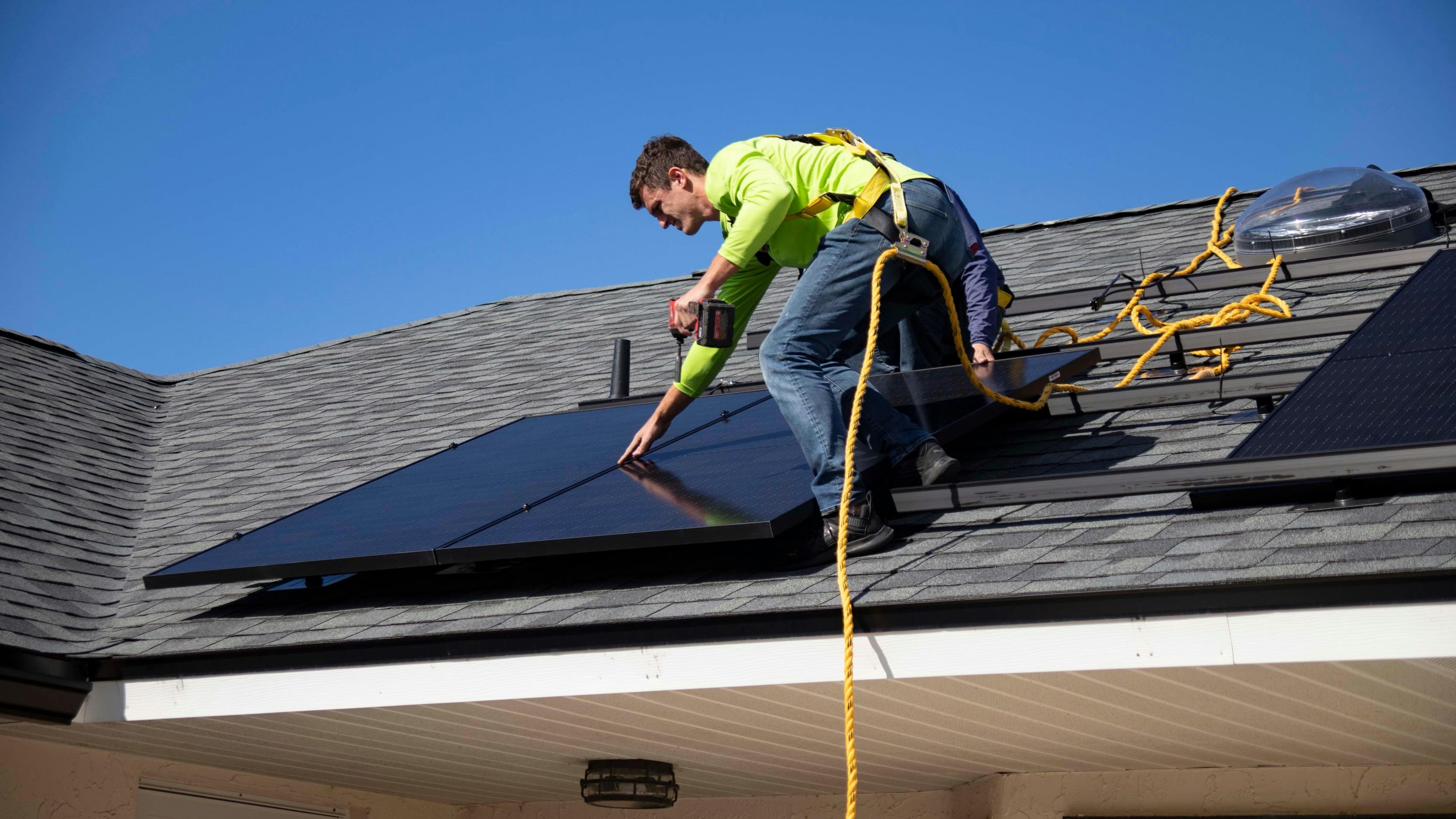
The installation team prepares safe access, installs the mounting system, fits the panels, routes cabling and installs the inverter and other specified equipment.
Plan your installation
Get a clear project plan for your solar installation and any battery or EV equipment.
Start Your Solar ProjectFrequently asked questions
Can solar panels be installed in one day?
Some straightforward residential installations can be completed quickly, but the exact duration depends on roof size, access, system complexity and additional electrical work.
How long does the whole solar process take?
The full process can take longer than the physical installation because surveys, design, equipment supply, approvals and commissioning are also involved.
Thomas Ellison
Project Manager at BrightGrid Energy