BrightGrid
The physical installation of a residential solar system can be completed relatively quickly, but the total project timeline depends on surveying, design, equipment availability, approvals, electrical requirements and grid arrangements.
The main stages of a solar project
| Stage | Purpose |
|---|---|
| Initial enquiry | Understand property and energy requirements |
| System design | Determine panels, inverter and electrical configuration |
| Site survey | Confirm roof and electrical conditions |
| Approvals | Complete relevant electrical or grid requirements |
| Installation | Install panels and electrical equipment |
| Commissioning | Test and activate the system |
| Handover | Provide documentation and monitoring access |
How long does the physical installation take?
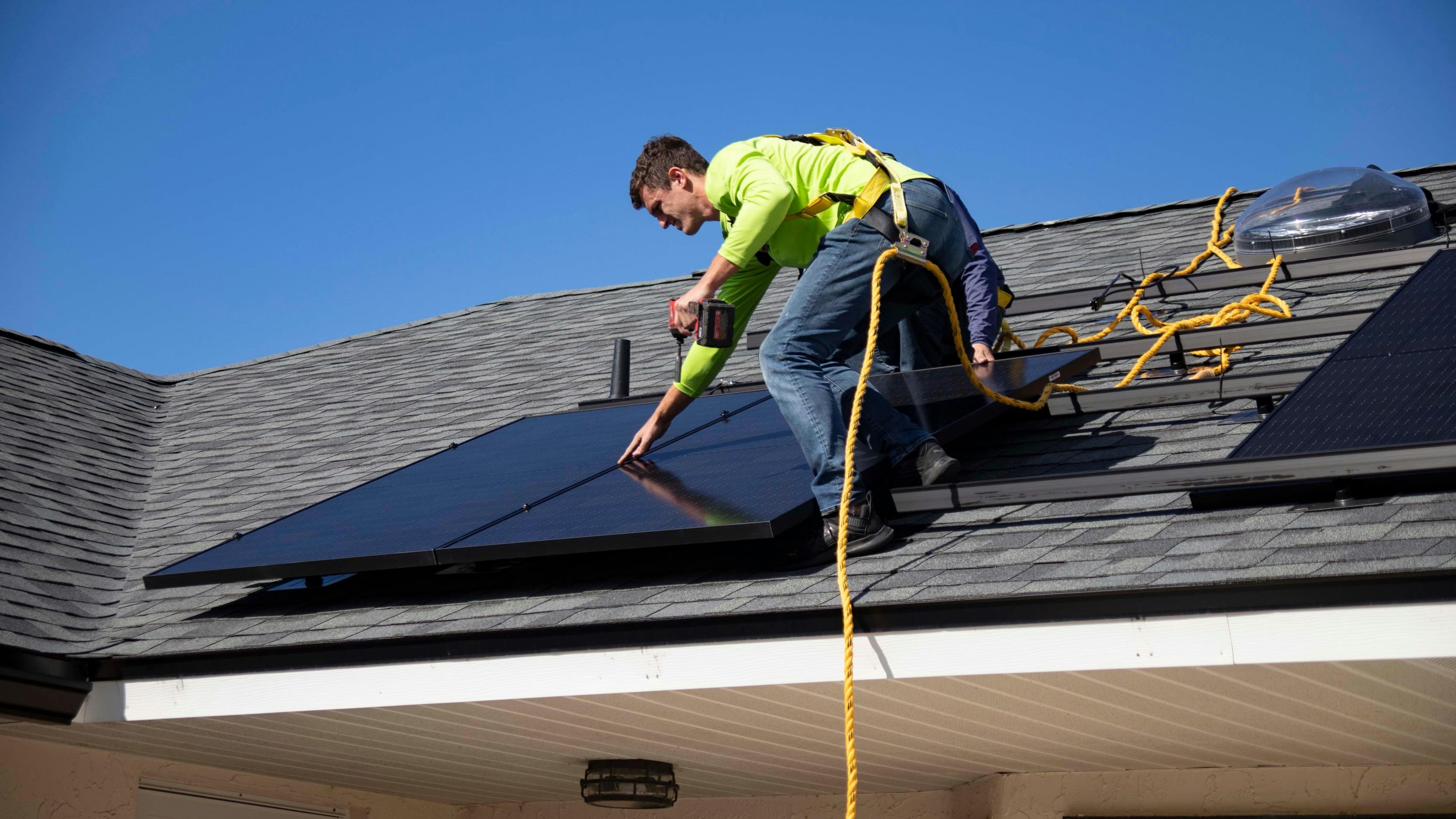
A straightforward domestic installation may be completed within a short installation window, while larger or more complicated systems can require additional time. Roof access, scaffolding, battery installation and electrical upgrades can all affect the schedule.
What can delay a solar installation?
- Poor weather
- Roof repairs
- Scaffolding requirements
- Equipment availability
- Electrical upgrades
- DNO requirements
- Planning issues
- Complex roof layouts
Why planning ahead matters
Customers should allow time for the complete project rather than expecting the installation crew to arrive immediately after requesting a quote.
Plan your solar installation
We can take you through the survey, design and installation process from initial assessment to commissioning.
Start Your Solar ProjectFrequently asked questions
How long does it take to install solar panels?
The physical installation can often be completed quickly, but the overall project timeline depends on survey, design, approvals, equipment and site complexity.
Can solar panels be installed in one day?
Some straightforward installations can be completed within a short installation period, while larger or more complicated projects may require longer.
What causes solar installation delays?
Weather, roof repairs, electrical upgrades, equipment availability, grid requirements and planning considerations can all affect the schedule.
Oliver Bennett
Installation Project Manager at BrightGrid Energy