BrightGrid
Solar PV systems are designed for long-term operation, but components can eventually develop faults. A sudden drop in generation should be investigated rather than ignored.
Common solar system problems
- Inverter faults
- Monitoring connection problems
- Electrical protection trips
- Damaged cables
- Panel damage
- Shading changes
- Poor connections
- Equipment degradation
Why inverter faults matter
The inverter is responsible for converting solar electricity into usable AC electricity. If it stops operating, the panels may still receive sunlight but the property may not receive usable generation.
What should you check first?
- Check the monitoring app.
- Check the inverter display or indicator.
- Look for error messages.
- Check whether the issue coincides with a power outage.
- Compare generation with previous days.
Do not carry out electrical repairs yourself
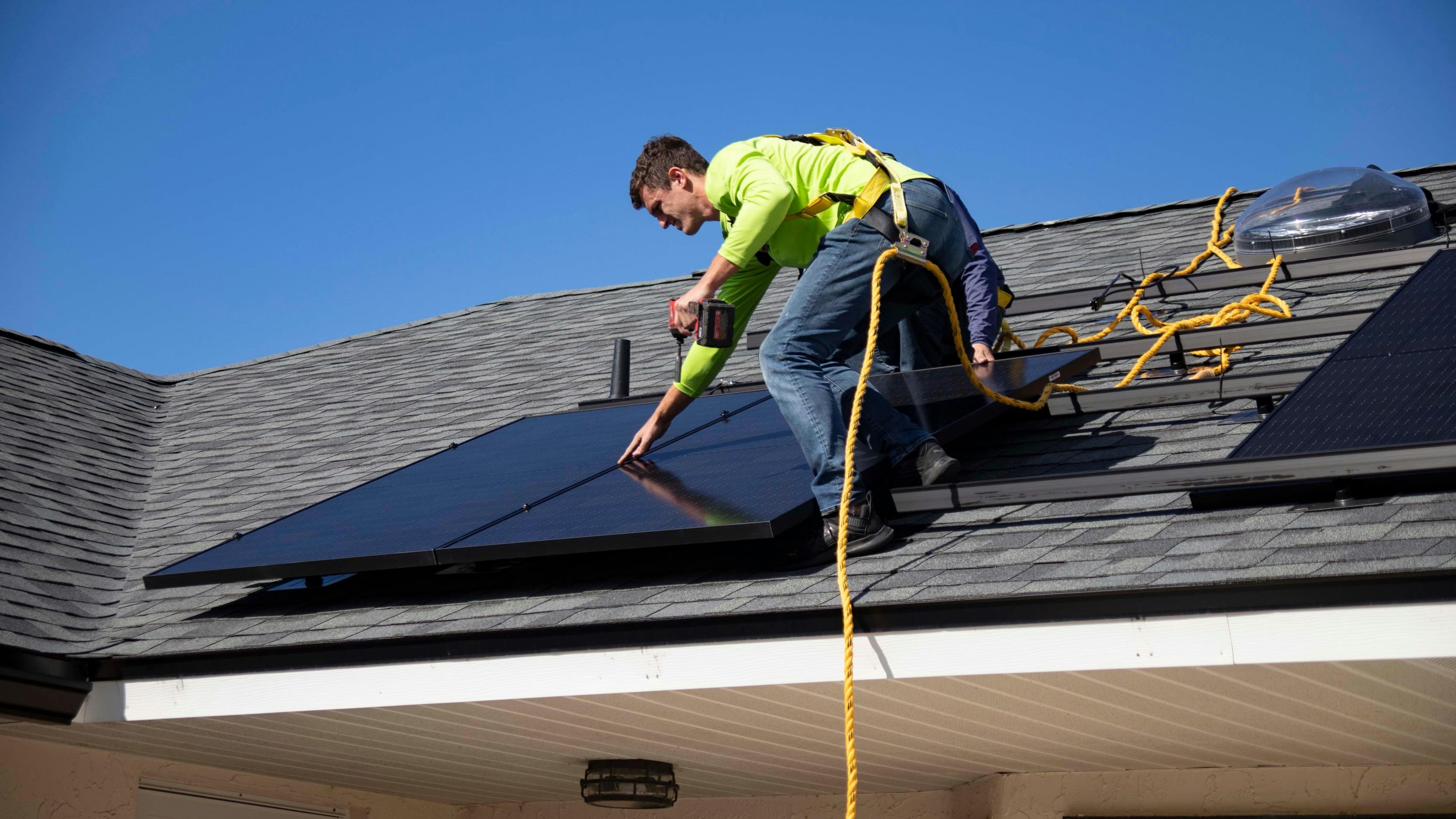
Solar installations can contain hazardous DC and AC voltages. Electrical diagnosis and repair should be performed by appropriately qualified professionals.
When should you call an installer?
If the system has an unexplained generation reduction, persistent fault code, damaged equipment or repeated electrical trips, contact a qualified solar professional.
Need help with an existing solar system?
Investigate solar generation problems, inverter faults and potential battery upgrades.
Explore Solar ServicesFrequently asked questions
Why have my solar panels stopped working?
Possible causes include inverter faults, electrical problems, monitoring issues, shading and equipment faults. Professional diagnosis may be required.
Can I repair solar panels myself?
Electrical and rooftop solar repairs should be handled by appropriately qualified professionals because the system can contain hazardous electrical voltages.
How much does solar repair cost?
Repair costs depend on the fault, equipment, access and replacement parts. Diagnosis is usually required before a meaningful price can be given.
Marcus Webb
Head of Engineering at BrightGrid Energy