BrightGrid
A roof survey is one of the most important stages of a solar installation because it allows the proposed system to be checked against the actual property.
Roof condition
The installer needs to consider the age, condition and construction of the roof. Installing solar on a roof that requires major work can create unnecessary future costs.
Orientation and roof pitch
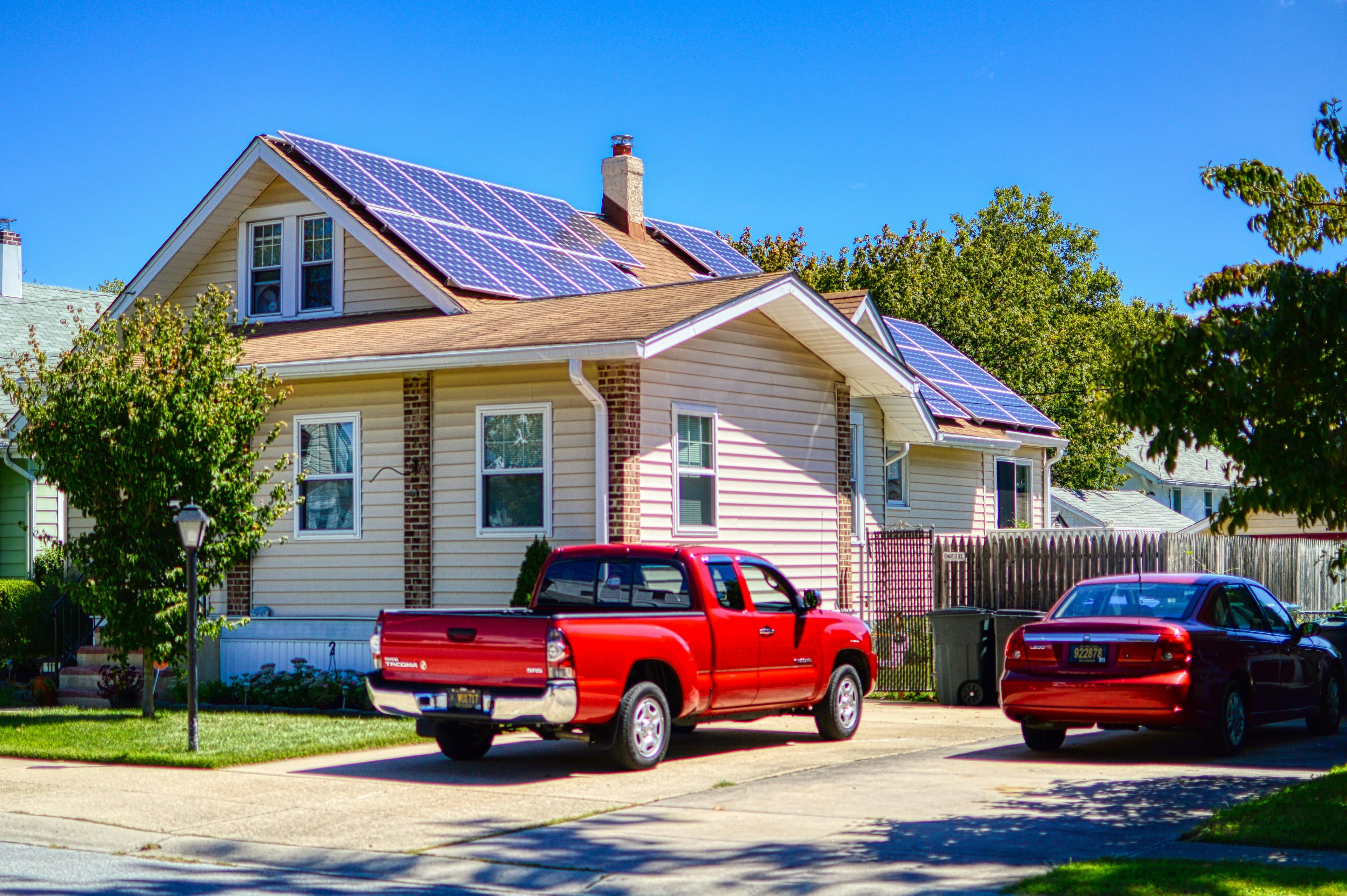
Roof direction and pitch affect solar generation. A survey identifies the usable roof faces and allows generation estimates to be based on the actual property.
Shading assessment
Trees, chimneys, dormers and nearby buildings can reduce generation. Shading should be considered during system design rather than discovered after installation.
Roof access
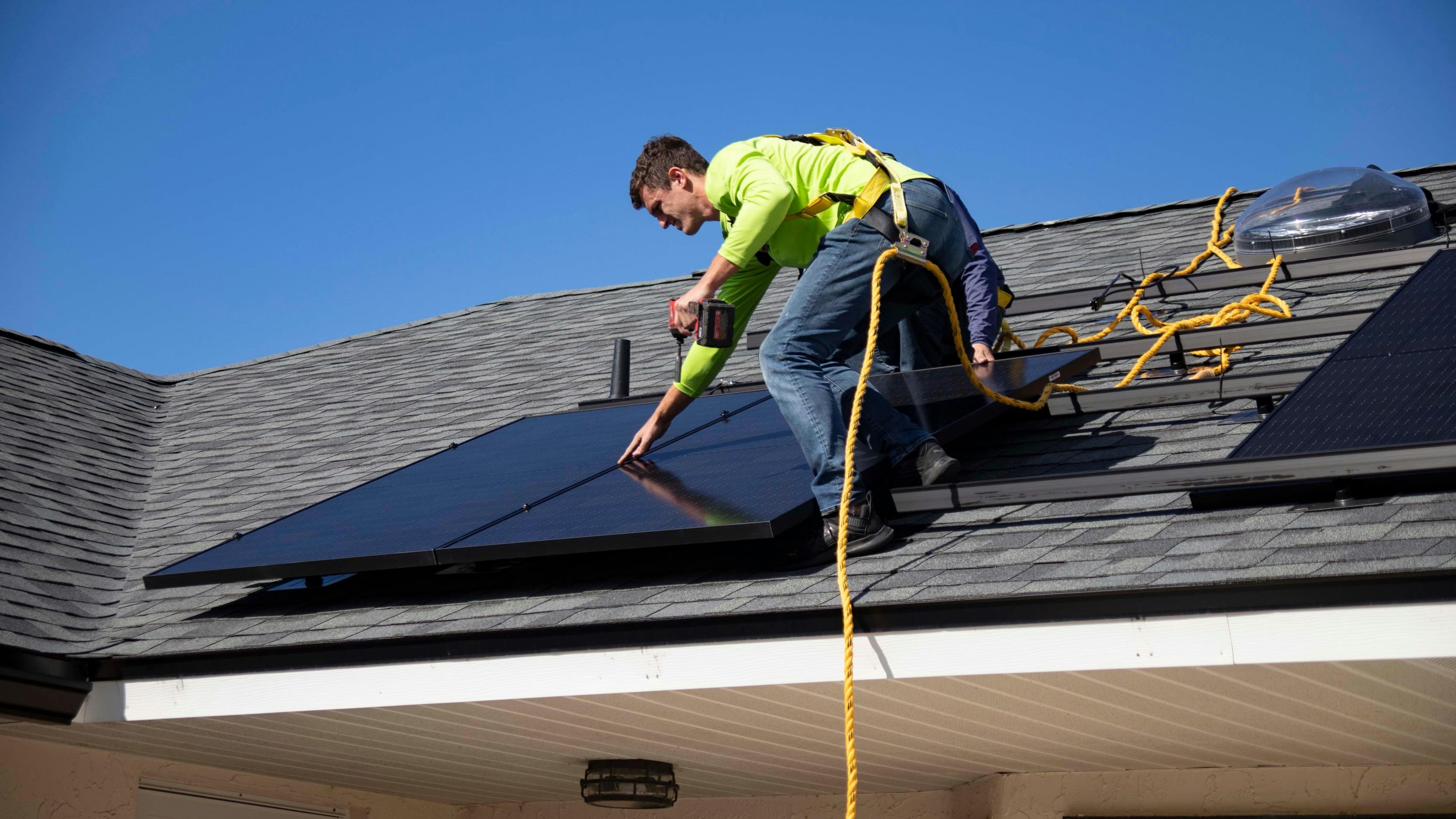
The installation team needs safe access to the roof. The property assessment should consider scaffolding, access routes, working space and equipment handling.
Electrical installation
The installer should consider the consumer unit, cable routes, inverter location, battery location and available electrical capacity.
Future energy requirements
EV charging, battery storage, heat pumps and other future loads can affect the preferred system design.
Book a solar assessment
Have your roof, electrical system and future energy requirements assessed before choosing your solar installation.
Explore SolarFrequently asked questions
What does a solar roof survey include?
It can include roof condition, orientation, pitch, shading, access, panel layout and electrical requirements.
Why is a roof survey important?
It helps confirm that the proposed solar design is suitable for the actual property.
Can solar be installed on an old roof?
It may be possible, but the roof condition should be assessed before installation.
Does shading need to be checked?
Yes. Shading can materially affect solar generation and should be incorporated into system design.
Oliver Bennett
Solar Design Specialist at BrightGrid Energy