BrightGrid
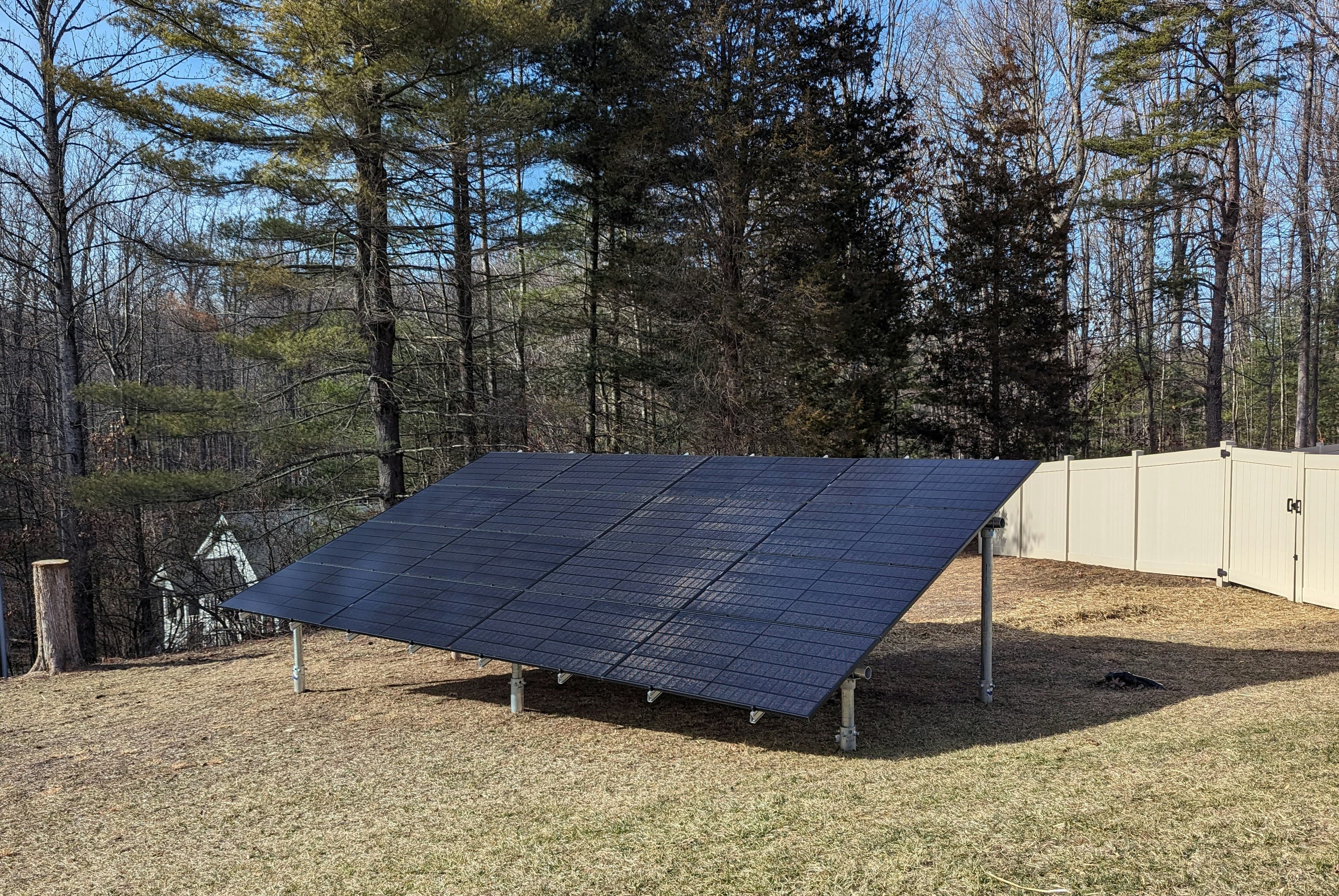
Shading is one of the most important factors in solar system design. Trees, chimneys, dormers and neighbouring buildings can reduce the amount of sunlight reaching panels.
Why does shading matter?
Solar panels connected together can be affected differently depending on the electrical configuration. Partial shading can therefore reduce the output of an array if the system is not designed appropriately.
Common sources of solar shading
- Trees
- Chimneys
- Dormers
- Neighbouring buildings
- Roof structures
- Future tree growth
Can optimisers help with shading?
Module-level power electronics such as optimisers can sometimes improve the way a system handles mismatched or shaded panels. Whether they are worthwhile depends on the actual roof and electrical design.
What about microinverters?
Microinverter systems convert electricity at panel level and can be useful for certain complex or shaded roofs. They should be considered alongside string inverter and optimiser designs rather than selected automatically.
Do not estimate shading from a single photograph
Trees and structures cast different shadows throughout the day and year. A proper design should consider the expected shading pattern rather than relying only on a visual snapshot.
Have a shaded roof?
We can assess shading and compare appropriate system designs before recommending equipment.
Assess Your RoofFrequently asked questions
Can solar panels work with some shade?
They can, but shading can reduce generation. The effect depends on how much of the array is shaded and how the electrical system is configured.
Are solar optimisers worth it?
They can be useful on some roofs with shading or panel mismatch, but the benefit should be assessed against the additional cost.
Can trees make solar panels less effective?
Yes. Existing and future tree growth can create shading that reduces solar generation.
William Carter
PV Systems Engineer at BrightGrid Energy