BrightGrid
A proper solar survey is the foundation of a good installation. It determines what can physically fit on the property, how much electricity the system could generate and what electrical or structural work may be required.
What does the installer check on the roof?
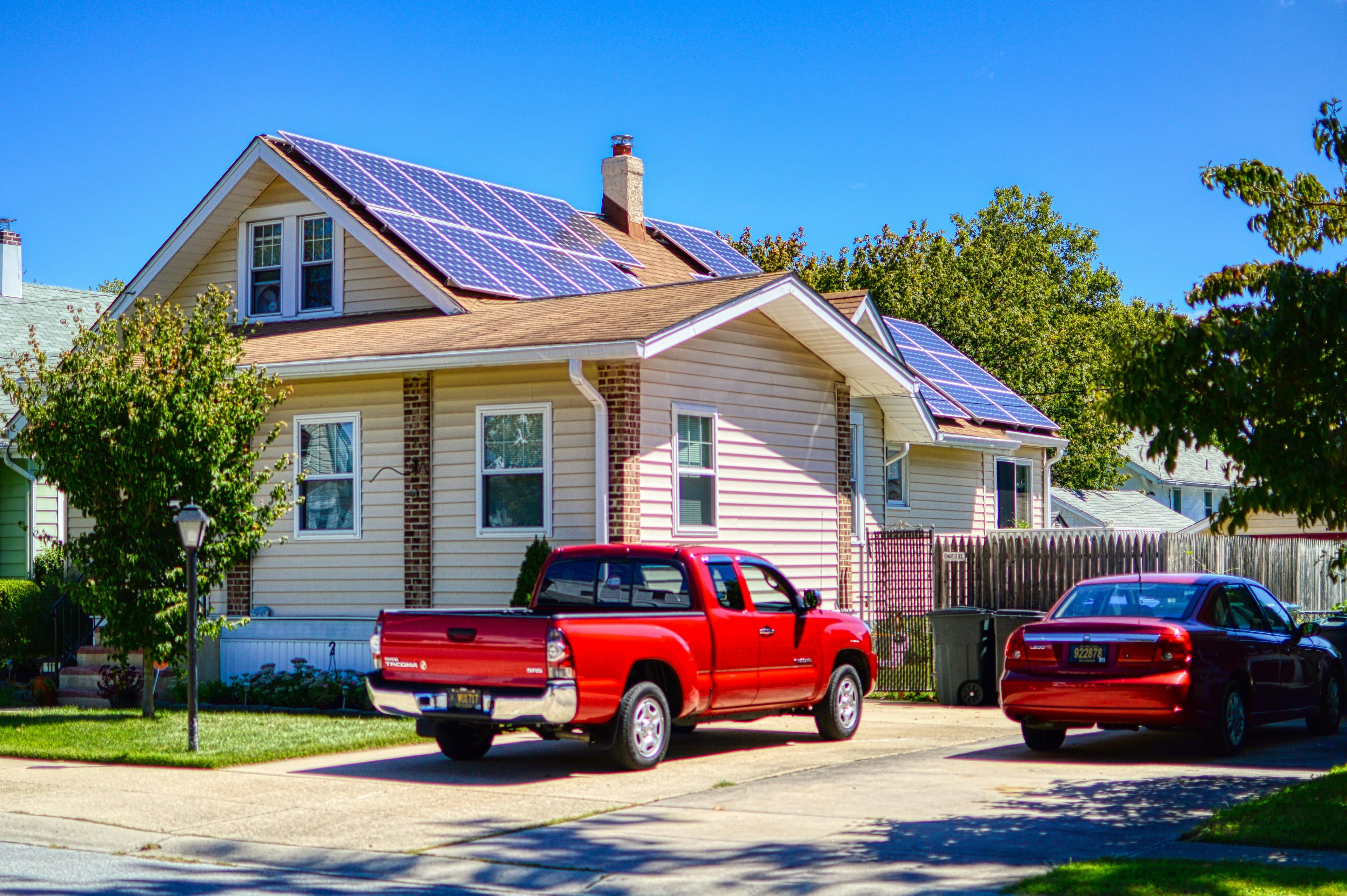
- Roof orientation
- Roof pitch
- Roof covering
- Available panel area
- Roof condition
- Chimneys and roof windows
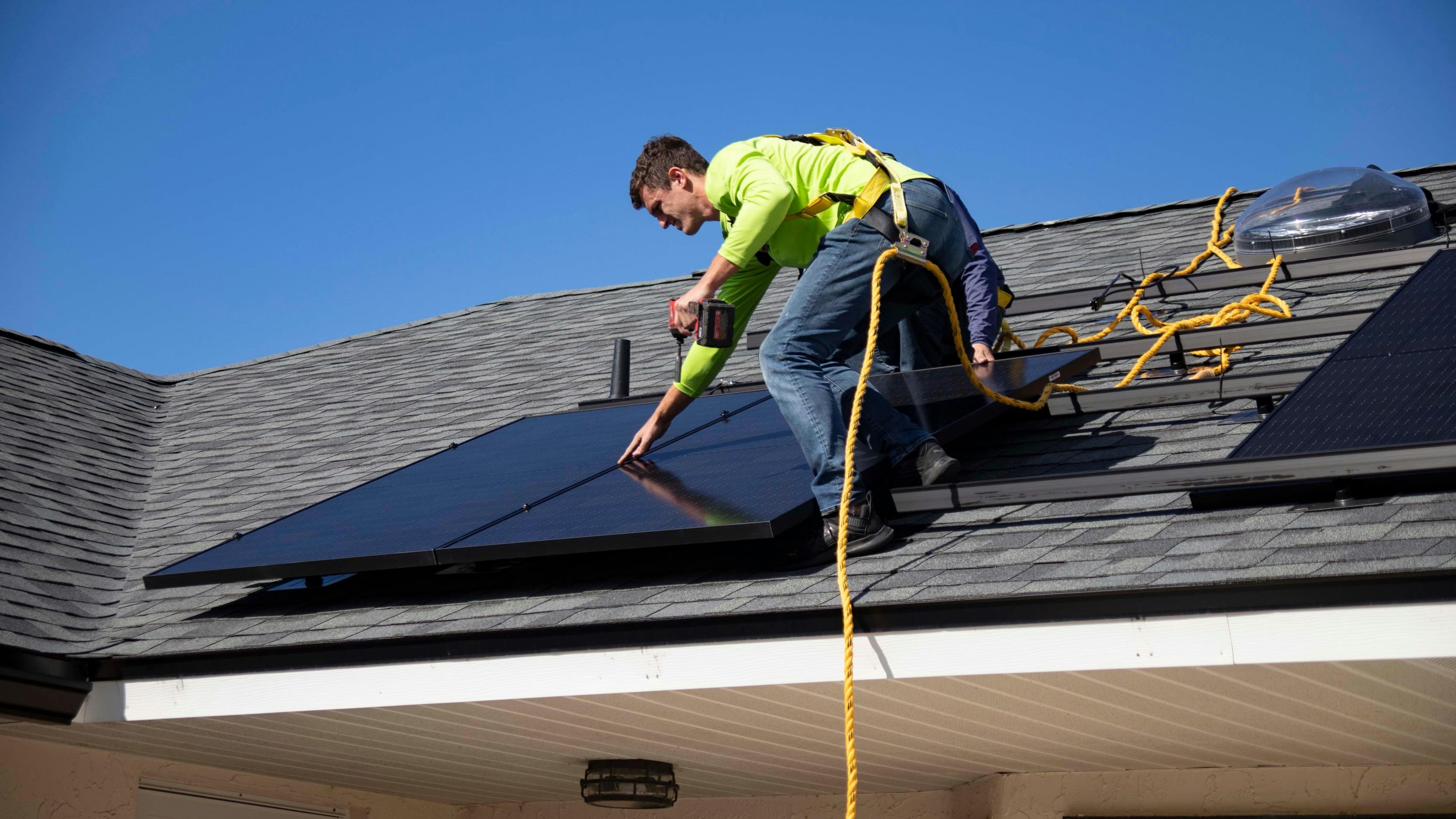
- Access requirements
- Potential shading
How is shading assessed?
Installers look for trees, chimneys, neighbouring buildings and other obstructions. Modern design tools can model how these objects may affect annual generation.
What electrical information is checked?
The installer needs to understand the property's existing electrical installation, consumer unit arrangement, available capacity, earthing and potential locations for the inverter and battery.
Why should future electricity demand be discussed?
If you are planning an EV, heat pump, battery or other major electrical load, tell the installer during the survey. Designing around future demand can prevent unnecessary changes later.
| Survey area | Why it matters |
|---|---|
| Roof | Determines panel layout |
| Shading | Affects generation |
| Electrical system | Determines connection requirements |
| Battery location | Affects installation and cable routing |
| Access | Determines installation method |
Do not skip the survey
A detailed survey reduces the risk of unexpected installation costs and helps ensure the proposed system reflects the actual property.
Book a solar assessment
Assess your roof, electricity demand and future energy plans before choosing a system.
Explore SolarFrequently asked questions
Do solar installers need to visit my property?
A property survey is strongly recommended because roof condition, shading, access and electrical infrastructure can materially affect the design.
What should I prepare for a solar survey?
Recent electricity bills, smart-meter information and details of planned EV, battery or heat-pump installations can help the installer design the system accurately.
Can solar be designed without a site survey?
Remote design can be useful for an initial estimate, but an appropriate physical assessment is important before final installation.
Sarah Kimani
Systems Designer at BrightGrid Energy