BrightGrid
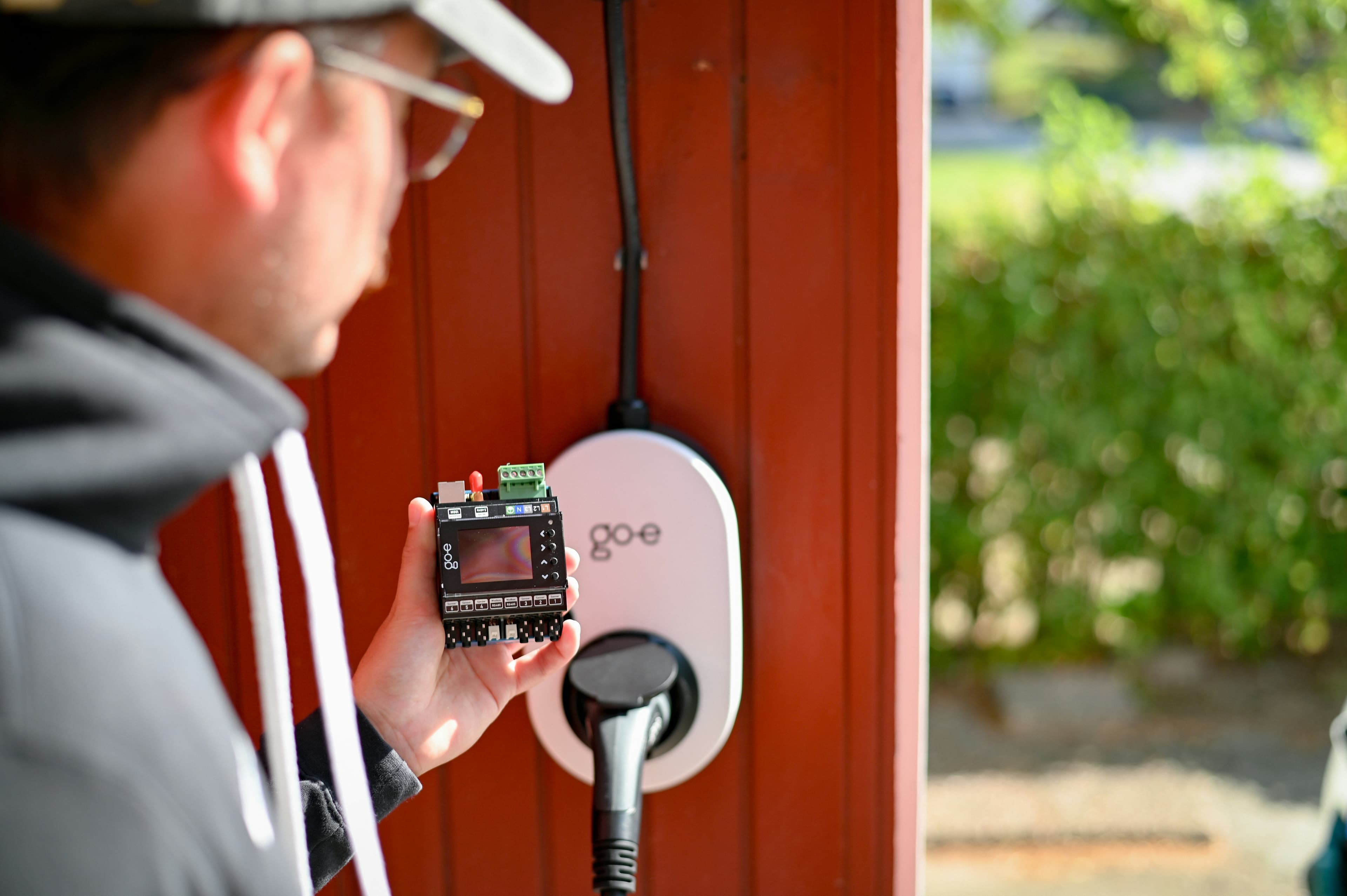
Installing an EV charger involves more than mounting a charging unit on a wall. The installer needs to assess the electrical supply, charger location, cable route and any need for load management.
1. Electrical assessment
The installer assesses the consumer unit, supply arrangement, cable route and available capacity.
2. Charger selection
The charger is selected according to vehicle requirements, charging speed, smart features, solar compatibility and installation conditions.
3. Physical installation
- Mount the charger.
- Route the cable.
- Install required protection.
- Connect the charger.
- Configure smart functions.
4. Testing and commissioning
The charger is tested and configured before the customer receives instructions for use.
Solar integration should be planned early
If you want the charger to use surplus solar, tell the installer during the design stage so the charger and energy-management system can be selected appropriately.
Plan your EV charger installation
Combine EV charging with solar and battery storage where appropriate.
Explore EV ChargingFrequently asked questions
How long does EV charger installation take?
A straightforward installation can be completed relatively quickly, while longer cable routes, electrical upgrades and complex properties can require additional work.
Can an EV charger use solar power?
Yes. Compatible smart chargers can be configured to use surplus solar generation.
William Grant
EV Charging Engineer at BrightGrid Energy