BrightGrid
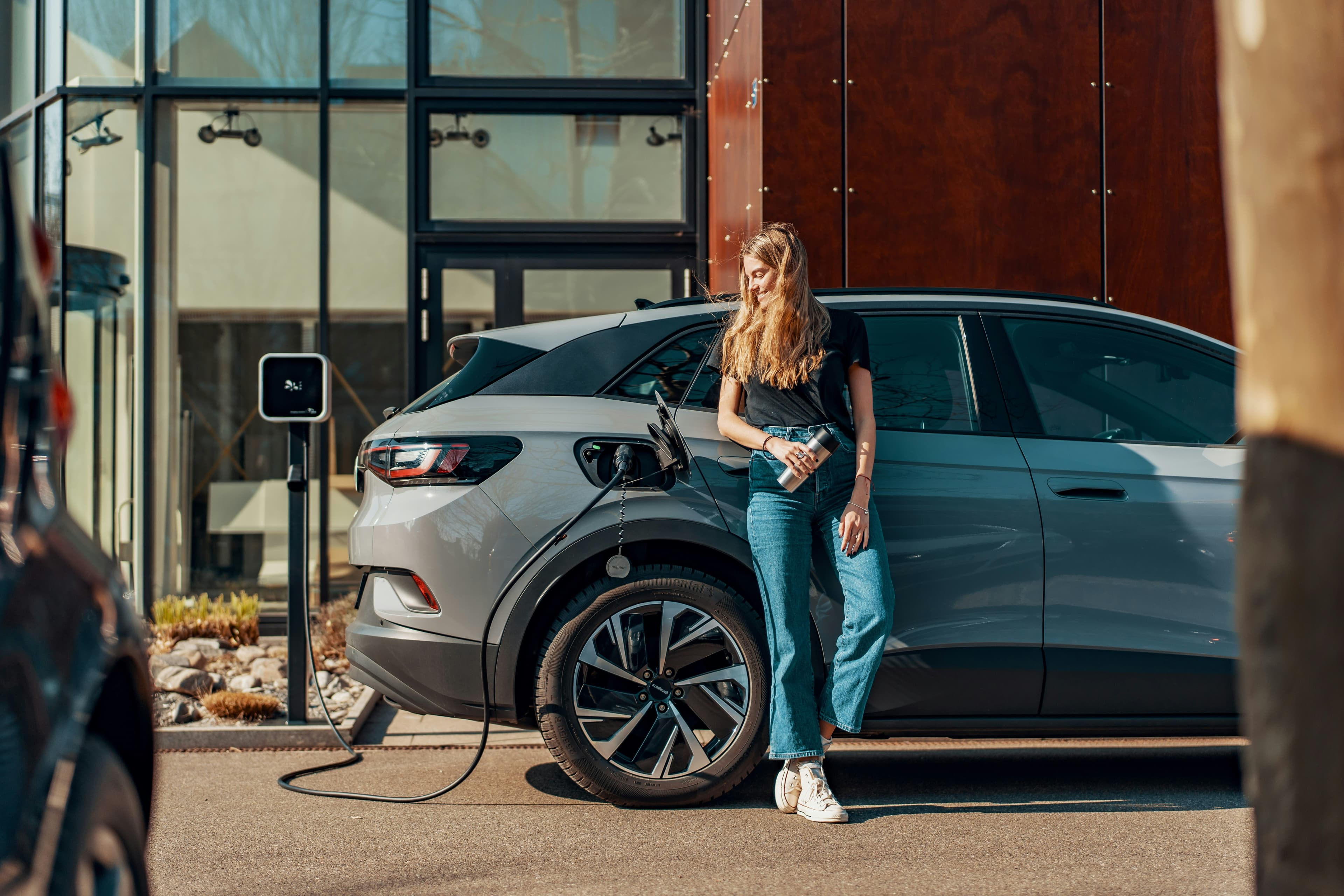
An electric vehicle is one of the largest flexible electricity loads in many homes. Smart charging allows the charging process to respond to electricity prices, solar generation, vehicle requirements and household demand.
What is smart EV charging?
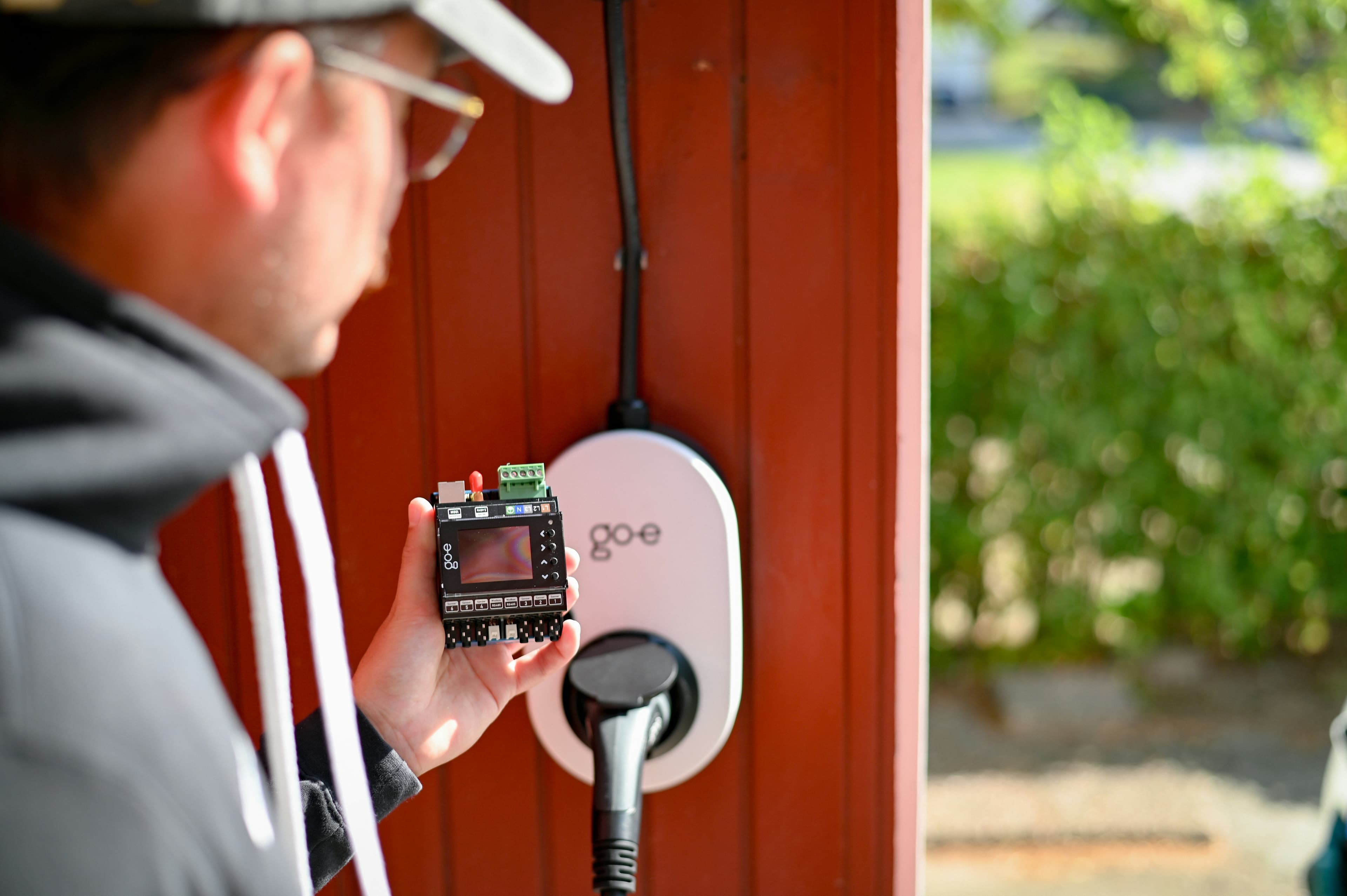
Smart charging uses software and compatible hardware to control when and sometimes how quickly an EV charges. Instead of simply charging immediately at maximum available power, the system can schedule charging around selected conditions.
Smart charging with solar
When solar generation exceeds household demand, a compatible charger can direct surplus electricity into the EV. This can increase on-site solar consumption.
Smart charging with time-of-use tariffs
Time-of-use tariffs can provide cheaper electricity during selected periods. A smart charger can schedule charging during those periods provided the vehicle will have enough charge when needed.
| Charging strategy | Potential advantage |
|---|---|
| Immediate charging | Simple and predictable |
| Solar surplus charging | Can increase solar self-consumption |
| Off-peak charging | Can take advantage of cheaper electricity |
| Combined smart charging | Can optimise around solar, tariff and vehicle requirements |
How does a home battery change the strategy?
A battery introduces another flexible energy store. The control system needs to decide whether surplus solar should be used directly by the home, sent to the EV, stored in the battery or exported.
The car is already a large energy store
If the vehicle is parked during solar-production hours, direct solar charging can sometimes be more efficient than routing the electricity through a home battery first.
Make your EV part of your energy system
Explore smart EV charging with solar, battery storage and electricity tariffs.
Explore EV ChargingFrequently asked questions
What is smart EV charging?
Smart EV charging automatically controls when an electric vehicle charges based on factors such as electricity prices, solar generation or vehicle requirements.
Can smart charging use solar panels?
Yes. Compatible systems can use surplus solar electricity to charge an EV.
Is smart EV charging cheaper?
It can reduce charging costs where suitable tariffs or surplus solar generation are available.
Can an EV replace a home battery?
An EV can provide substantial flexible electricity demand, but it is not always available at home and does not necessarily provide the same functions as a home battery.
Marcus Webb
Head of Engineering at BrightGrid Energy