BrightGrid
Charging from a three-pin plug works, but it's slow, and it's the most expensive way to run an EV. A proper home charger changes both — here's what's actually involved in getting one installed, and how to get real value out of it afterwards.
What kind of charger do you actually need?
Almost every UK home installs a 7kW charger — it's the practical maximum most domestic single-phase electrical supplies can support, and it's more than enough for the vast majority of daily driving.
| Charging method | Approx. speed | Full charge time (60kWh battery) |
|---|---|---|
| Three-pin plug | ~2.3kW | 26+ hours |
| 7kW home charger | ~7kW | ~8–9 hours |
| 22kW (requires three-phase supply, rare in homes) | ~22kW | ~3 hours |
For most people, an overnight 7kW charge comfortably tops up an entire day's driving, so speed beyond that rarely matters at home — it matters more on long journeys, where you'd use public rapid chargers instead.
The installation process
- A qualified electrician assesses your consumer unit, existing electrical load, and where the charger and car will realistically sit
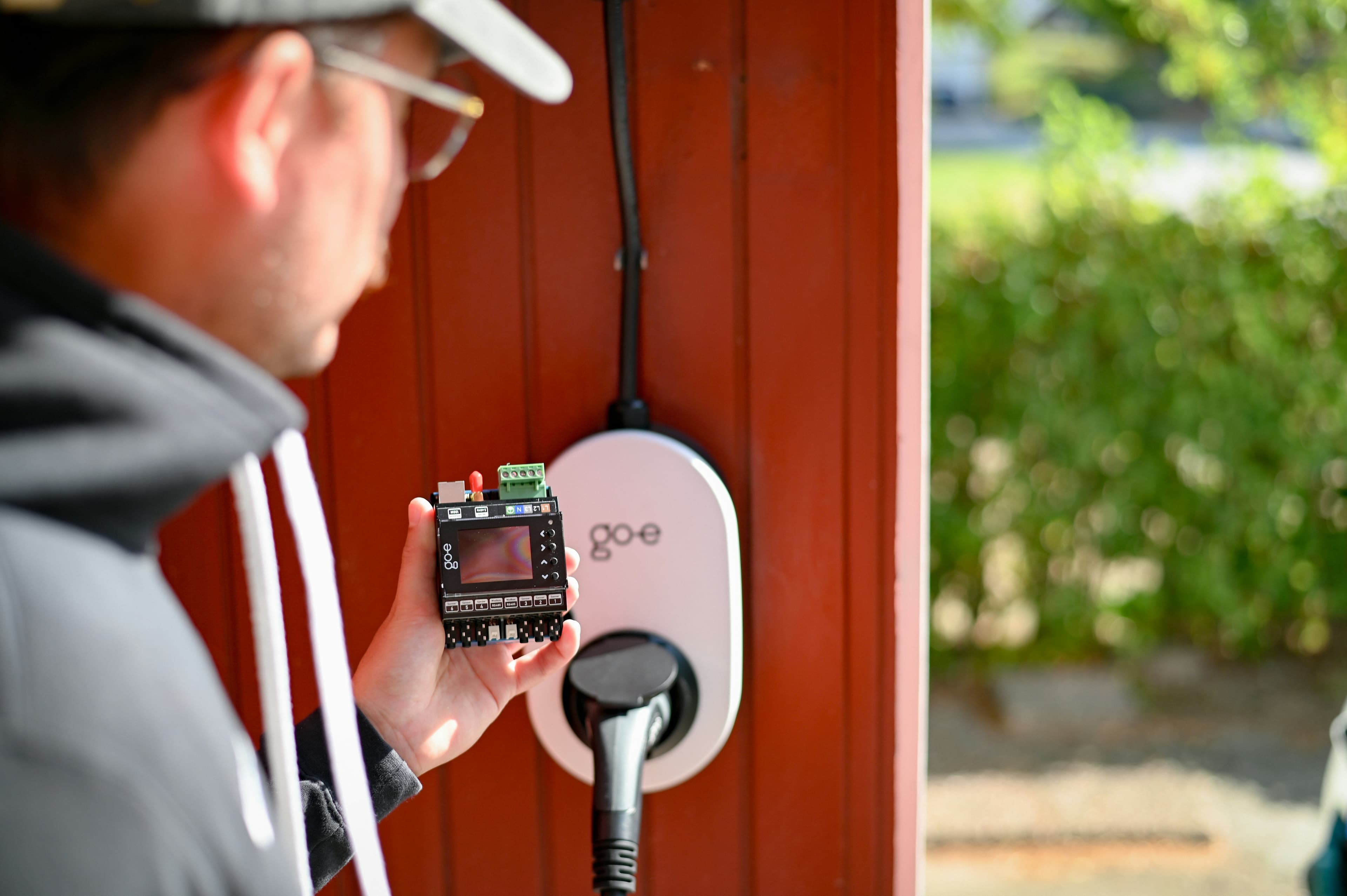
- The charger is fitted, usually on an exterior wall near the driveway or garage, with a dedicated circuit back to the consumer unit
- The installer completes an OZEV-compliant installation and certification, and registers the charger with the manufacturer's app
- You're shown how to set charging schedules, and how solar/tariff integration works if applicable
Most straightforward installations are completed in half a day. Homes with older or already-stretched electrical supplies may need additional work, which a proper survey will flag in advance rather than on installation day.
What it costs
A standard 7kW home charger installation typically runs £850–£1,300 depending on cable run length and any consumer unit work required. This is a one-off cost — from that point, charging cost depends entirely on your electricity tariff and how much solar you use to offset it.
Smart charging and EV tariffs
Most modern home chargers support scheduled and app-controlled charging. Paired with an EV-specific tariff (which typically offers a very cheap overnight rate, often under 10p/kWh), this is where the real running-cost savings come from — the charger simply waits until the cheap window starts.
The two-tariff-window trick
Some EV tariffs also offer a second cheap window during a low-demand afternoon period, which lines up well with solar generation — worth checking for specifically if you're pairing a charger with solar.
Charging from solar
Two approaches, and they suit different households:
Solar-only (diverter) charging
The charger automatically ramps its charging rate up and down to consume exactly the solar surplus available, drawing nothing from the grid. Ideal if the car is regularly home and plugged in during the day.
Battery + smart tariff charging
The car charges overnight from a combination of stored solar (via the home battery) and the cheap overnight tariff rate. This suits households where the car is out during the day and only home in the evening.
PHEV charging is different — in a good way
Plug-in hybrids have much smaller batteries (typically 8–15kWh versus 50–80kWh for a full EV), so they charge fully from a 7kW charger in one to two hours — meaning even a modest solar surplus on a sunny afternoon can often cover a full charge.
See what EV charging could save you
Add your car and mileage to the calculator to compare charging strategies against your actual tariff.
Explore EV chargingFrequently asked questions
Can I install an EV charger myself?
No — UK home EV chargers must be installed by a qualified, certified electrician and registered as an OZEV-compliant installation. This isn't optional paperwork; it affects your home insurance and any grant eligibility.
Do I need planning permission for a home EV charger?
Most installations fall under permitted development. Chargers facing a road in a conservation area, or those mounted on a listed building, may need consent — worth checking during your survey if either applies.
Will an EV charger overload my home's electrical supply?
A proper survey checks your existing electrical load before installation. If your supply is already close to capacity, the installer may recommand a load-balancing device (which reduces charging speed automatically when other high-draw appliances are running) rather than an upgrade.
Is a home charger cheaper than public charging?
Almost always, especially on an EV-specific overnight tariff. Public rapid chargers typically cost several times more per kWh than home charging on a cheap tariff window.
Sarah Kimani
Systems Designer at BrightGrid Energy