BrightGrid
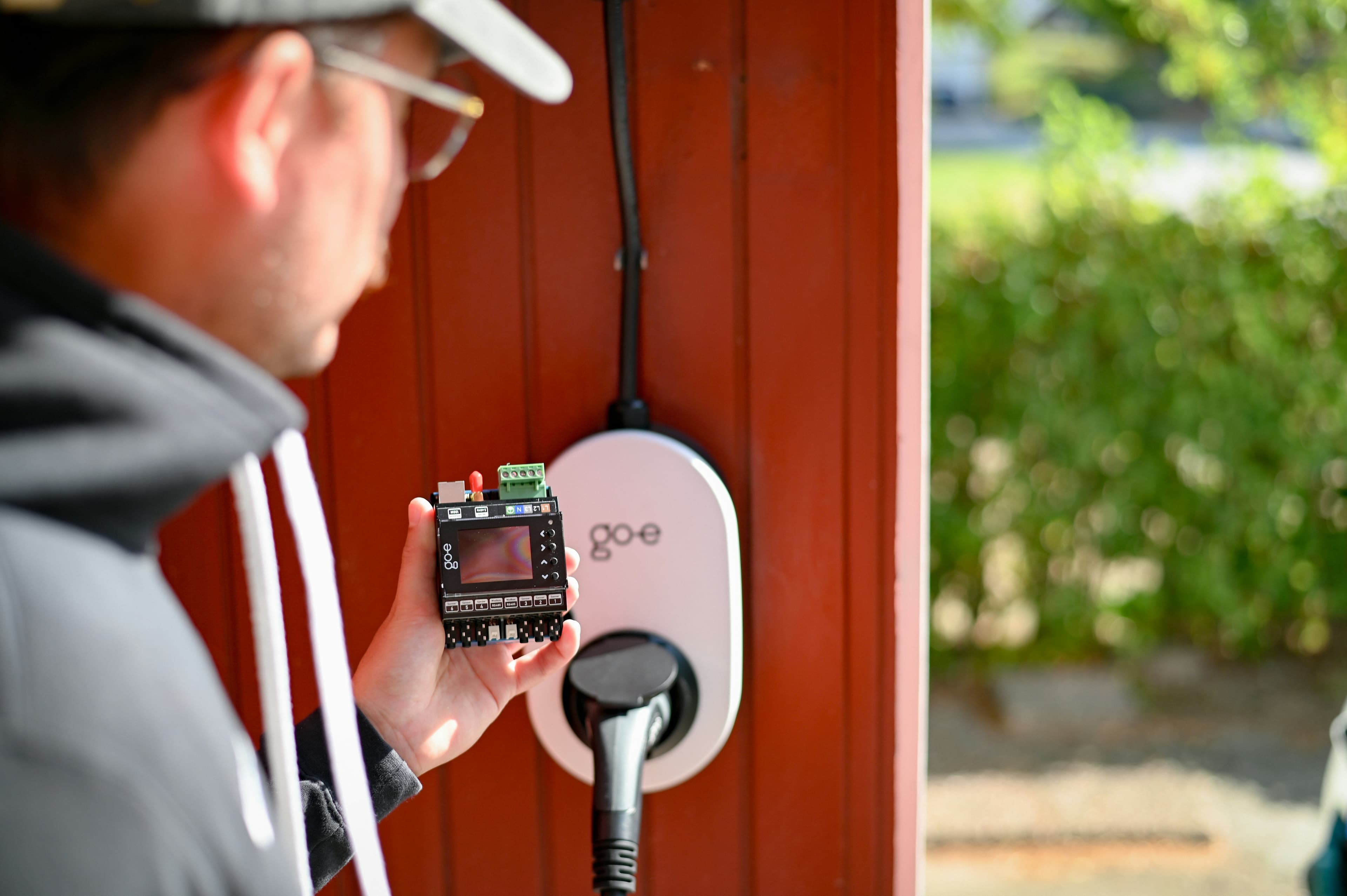
Installing an EV charger involves more than mounting the charger on an external wall. The installer needs to assess the electrical system, charger location, cable route and vehicle charging requirements.
1. Electrical survey
The installer assesses the consumer unit, electrical capacity, cable route, charger location and existing high-power loads.
2. Choosing the charger
The correct charger depends on the vehicle, desired charging speed, smart features, solar integration and household electricity strategy.
3. Cable routing
The cable route affects installation complexity and appearance. Installers may need to route cables through walls, garages, loft spaces or external areas.
4. Load management
Where household demand could approach available electrical capacity, load management may reduce charger power temporarily.
5. Testing and commissioning
After installation, the charger is tested and configured. Smart charging functions may also be connected to the customers account or app.
Install an EV charger
Combine EV charging with solar, battery storage or smart tariffs where appropriate.
Explore EV ChargingFrequently asked questions
How long does EV charger installation take?
A straightforward domestic installation can often be completed relatively quickly, while complex cable routes and electrical upgrades can increase the time.
Does an EV charger need a separate circuit?
EV chargers normally require an appropriately designed dedicated electrical connection and protective arrangements.
Can an EV charger use solar electricity?
Yes. Compatible smart chargers can be configured to use surplus solar generation.
Do I need load management?
It may be useful where charger demand could approach the available electrical capacity of the property.
Robert Fletcher
EV Infrastructure Engineer at BrightGrid Energy