BrightGrid
Smart EV charging allows a charger to adjust when or how quickly an electric vehicle charges. The goal can be to use cheaper electricity, surplus solar generation or periods when the home has spare electrical capacity.
How does smart charging work?
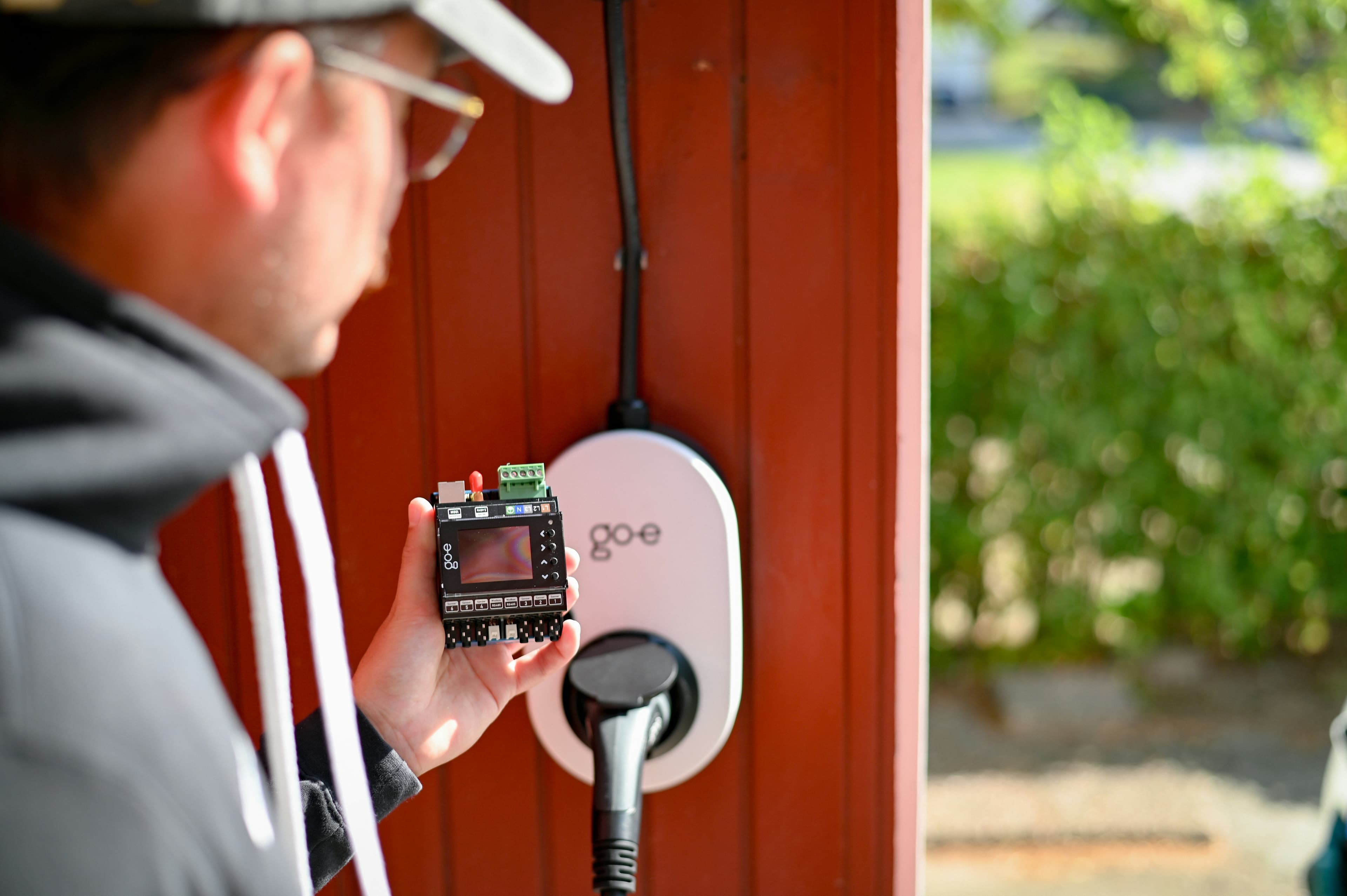
A compatible charger communicates with the vehicle and control platform. Charging can then be scheduled according to user settings, electricity prices, solar generation or other conditions.
| Strategy | Potential benefit |
|---|---|
| Solar charging | Uses surplus solar generation |
| Off-peak charging | Uses cheaper electricity periods |
| Load management | Reduces household peak demand |
| Scheduled charging | Ensures the vehicle is ready when needed |
Smart charging with solar
A compatible charger can prioritise surplus solar electricity. The exact operating mode depends on the charger and energy-management system.
Smart charging and tariffs
Time-of-use tariffs can make scheduled charging particularly useful when the vehicle can remain connected during lower-cost periods.
Combine solar and smart EV charging
Design your EV charging system around your solar generation, battery and electricity tariff.
Explore EV ChargingFrequently asked questions
What is smart EV charging?
Smart charging automatically controls when or how an EV charges based on factors such as tariffs, solar generation, schedules and electrical demand.
Can smart charging use solar panels?
Yes. Compatible systems can use surplus solar generation for EV charging.
Jonathan Price
EV Energy Specialist at BrightGrid Energy